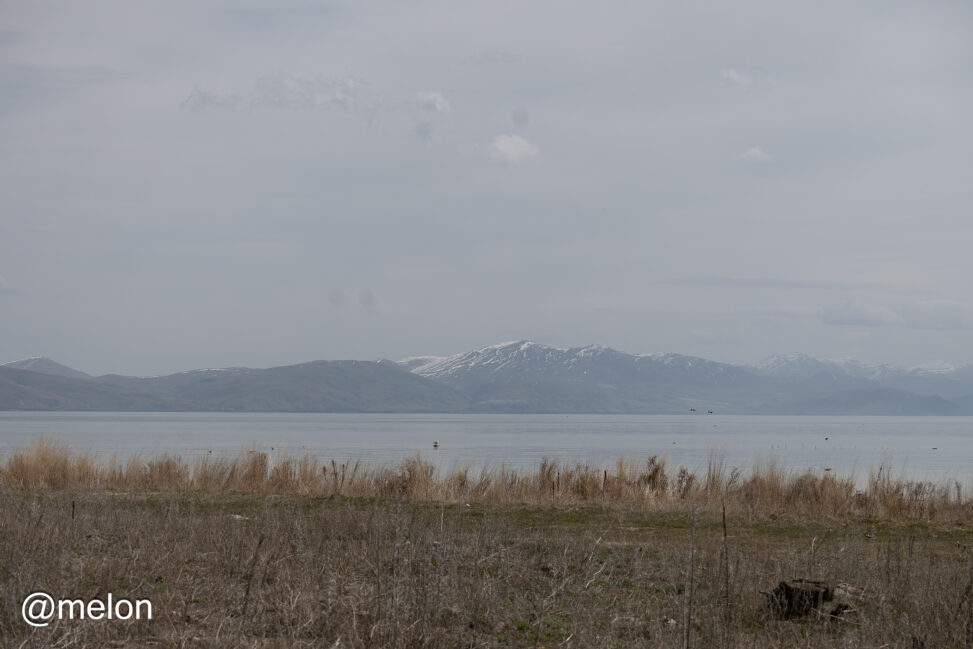
Last month, I went to the lake Sevan, located in Armenia, not far from the capital, Yerevan. There were not many insects there, but I spotted a LOT of different birds, including some very rare ones. There was even a bird that I could not identify! It was a common cormorant, however it had a white underbelly and wings, and also a white band of feathers on its neck. I got a few good photos, and this was my favourite:
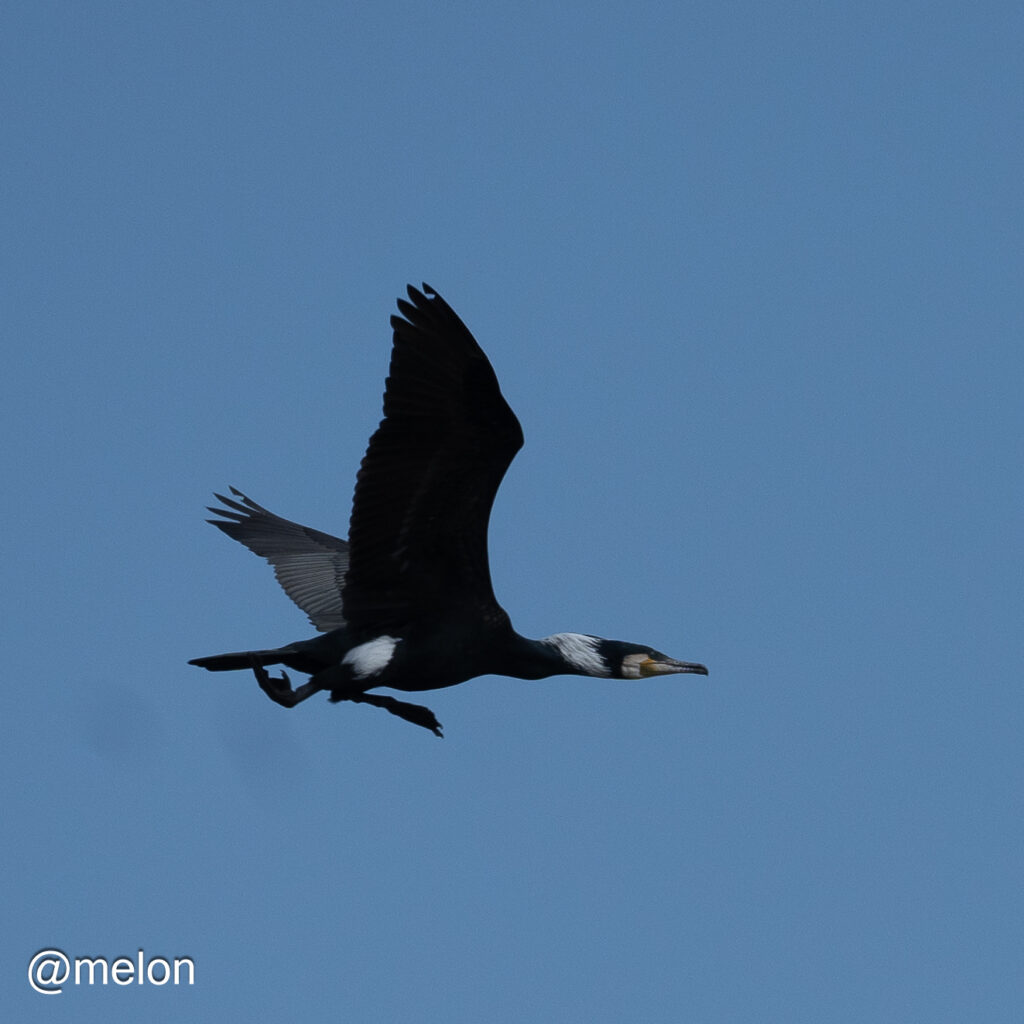
If you manage to identify this bird, please write down what it is in the “comments” box beneath this post.
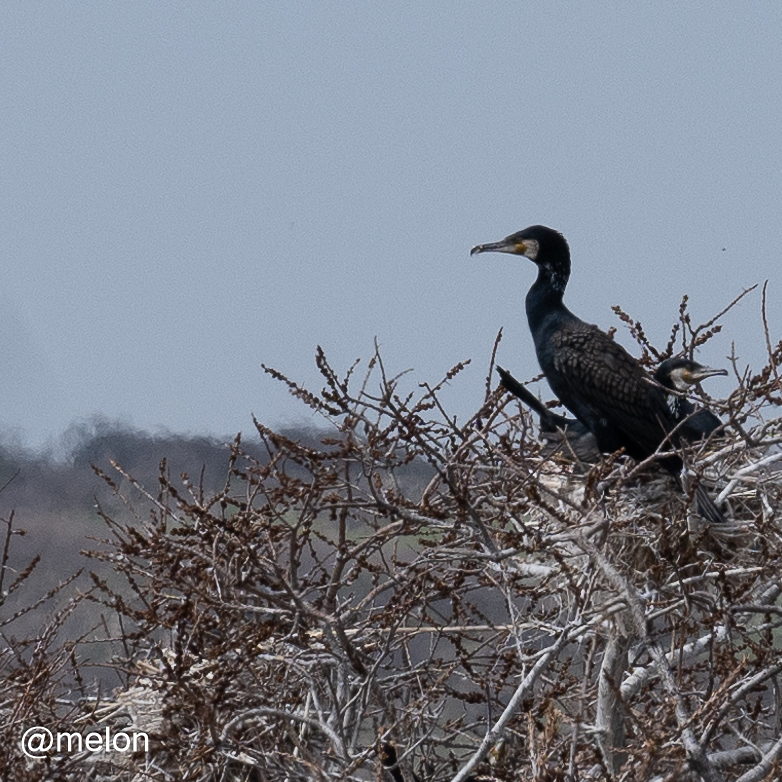
I also saw some average cormorants that looked normal enough (though you can never be sure), and I think there were one or two shags , that I recognised by the distinctive crest. I got quite a few good shots of these birds in flight, but decided to keep the top one, which I called “Running Through The Sky”, as it was comical and good quality. In one of the dryer trees, I saw a group of common cormorants sitting on their nests, and got a good snap of that, too:
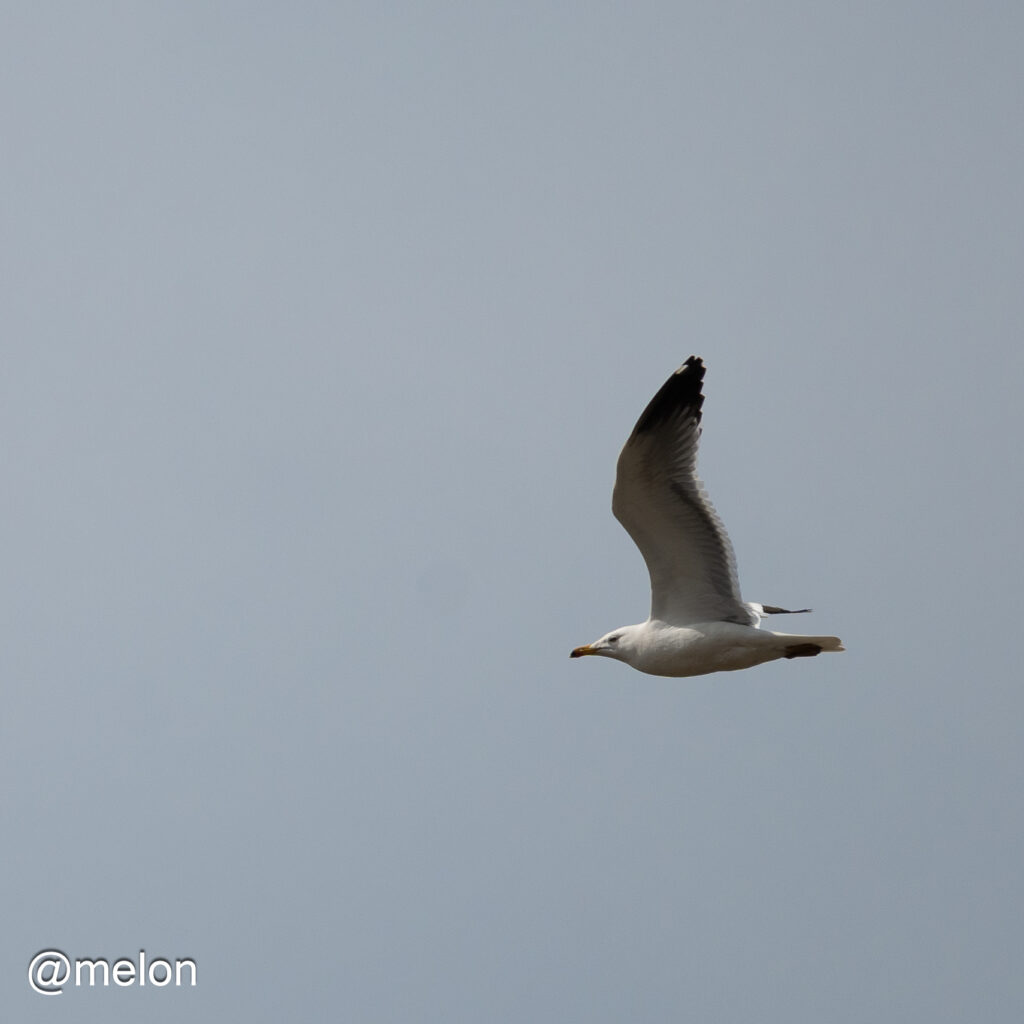
Speaking of rare birds in flight, I got some great photos of the Armenian gull, a red-listed, threatened bid that lives only in Sevan, and has a few outposts in Iran too. To identify it, and see that it is, indeed, not just a yellow-billed gull (which is the most common gull species there), you need to know the two main features that make an Armenian gull an Armenian gull. Firstly, and possibly most importantly, is the black stripe on its bill near the red stripe, that most gulls have, making it look like it has a moustache, and the second feature is a fully black eye, which is often less visible in flight. Here it is:
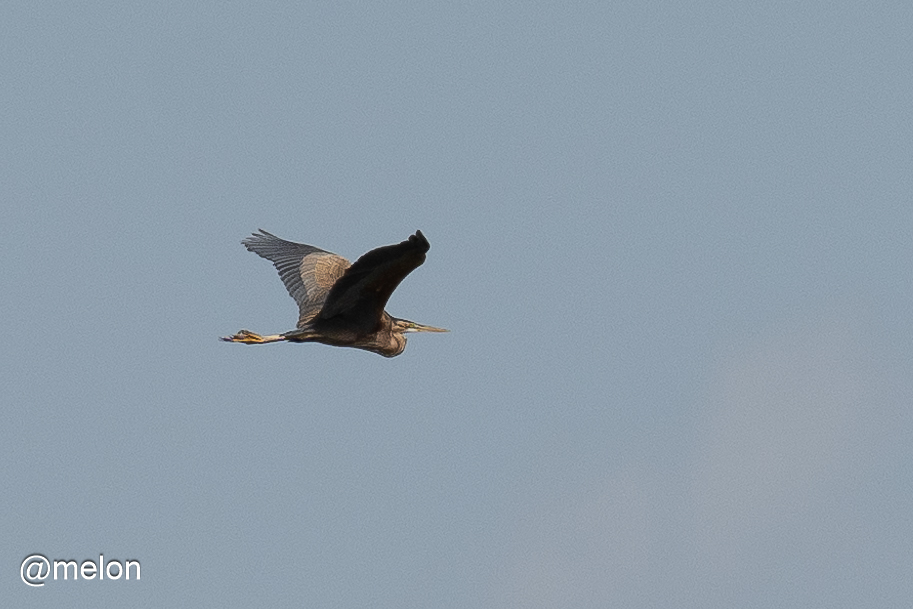
Another very rare bird was the Purple Heron, one that does not live anywhere in Britain. I got a snap of it too, though not as detailed as some of my other photos… There was even a photo where it had a background of tall, Armenian mountains, however, its quality let the masterpiece down a little. Here is my best photo of this rare wader:
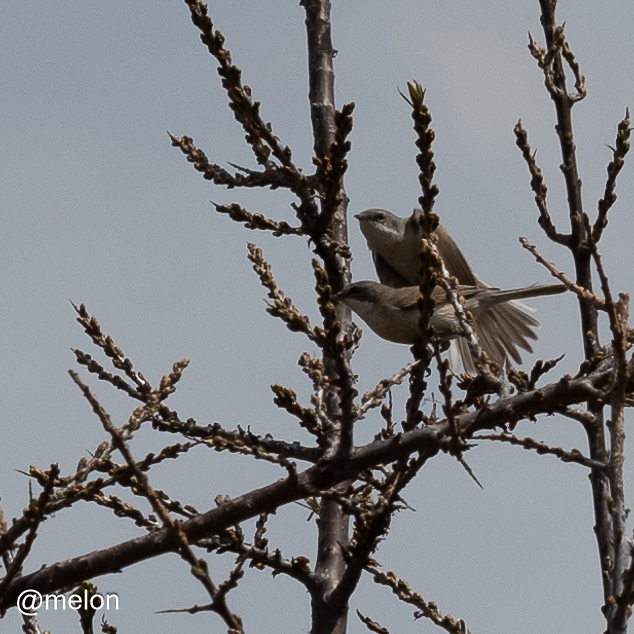
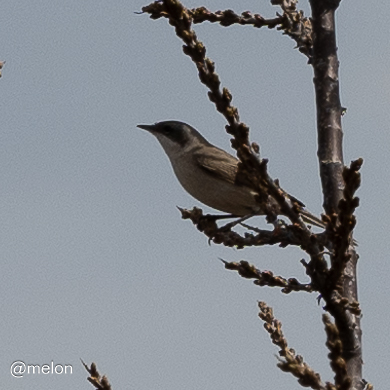
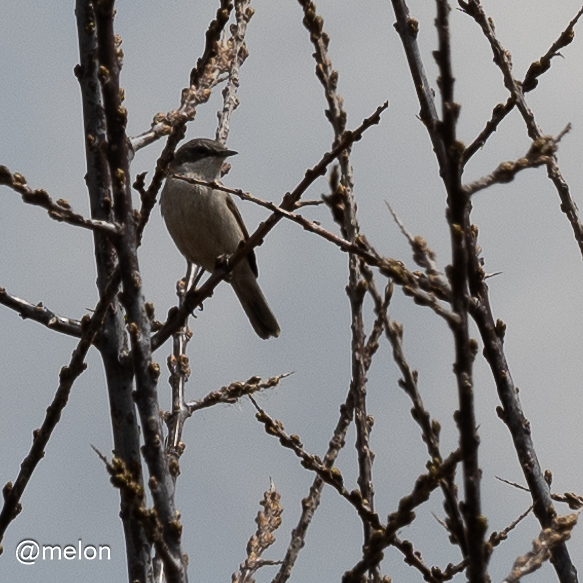
Now here’s a bird to be amazed by; the Western Orphean Warbler was hard to identify, but I got three excellent photos of this rare little songbird. The Merlin Bird ID helped me realise that this was not a common creature, however also told me that it could have been a Lesser or Greater Whitethroat. This is a very rare visitor to the United Kingdom as well, but considering that I was in Armenia at the time, it is a possibility that it was indeed. However, if YOU realise that it was something else, please write your prediction(s) in the “comments” box beneath this post. Here is the Western Orphean Warbler on a true photo!
But that was still not the end of our walk. A bird, that I took, at first, for an Arctic Skua, was flying very low over the lake, and only after I had made as many photos as I could manage, I looked into the book Birds of Armenia and identified it as a white-winged black tern, a rare black bird with white wings (wow, whoever made up that bird’s name didn’t have much imagination!) I got many good shots of it, including one where it was trying to catch a fish, and here are a two:
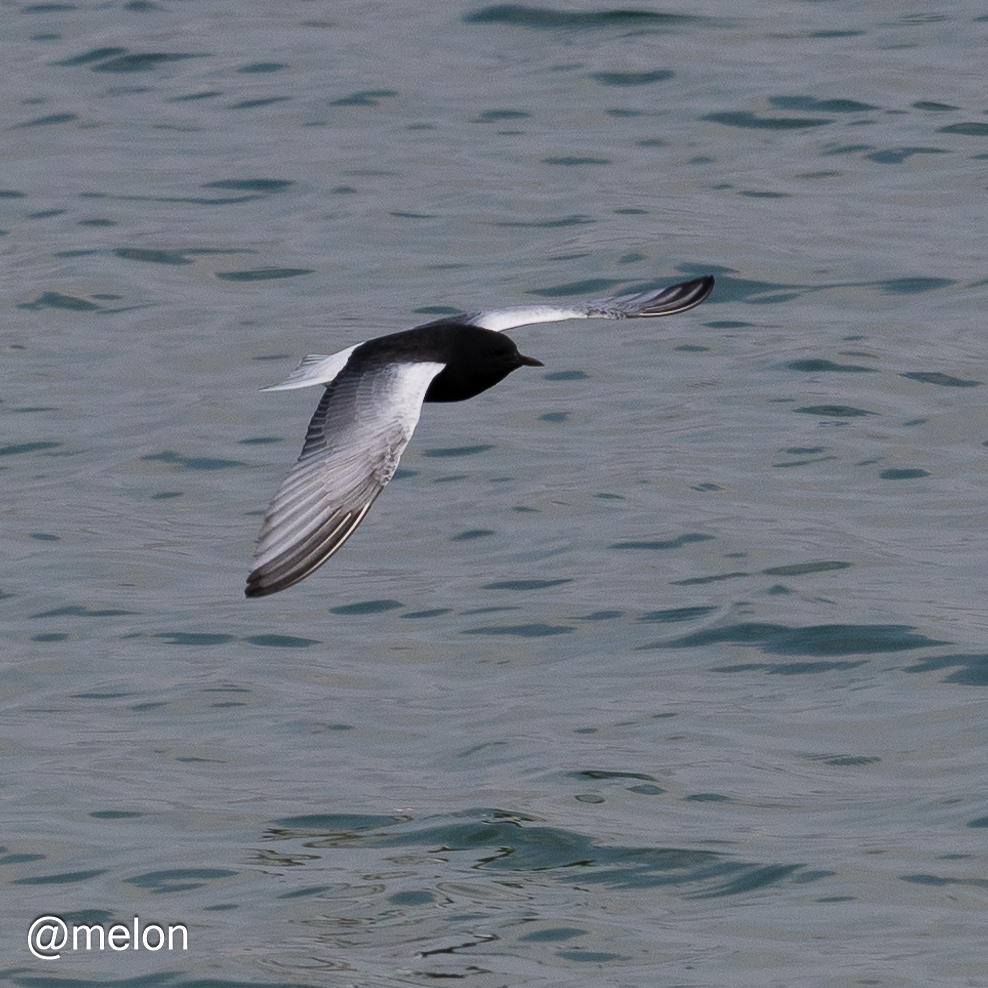
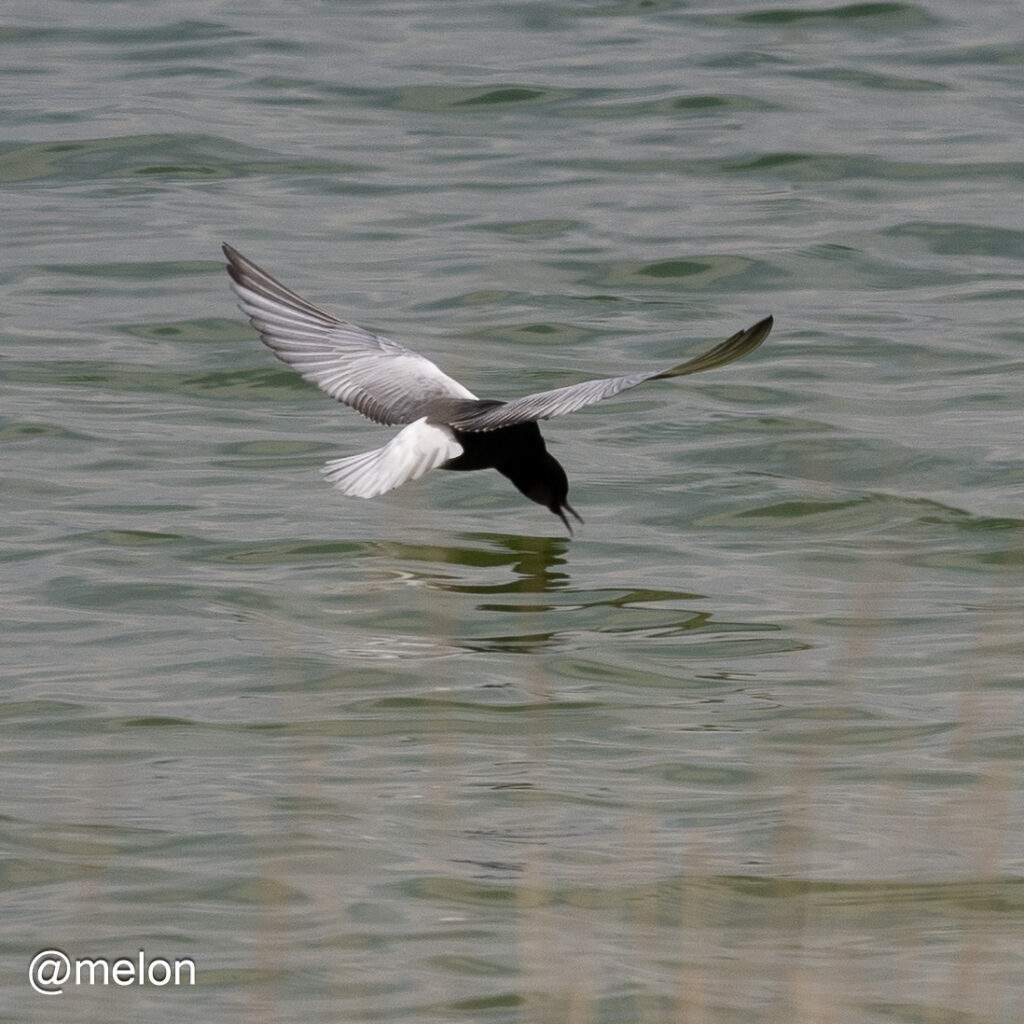
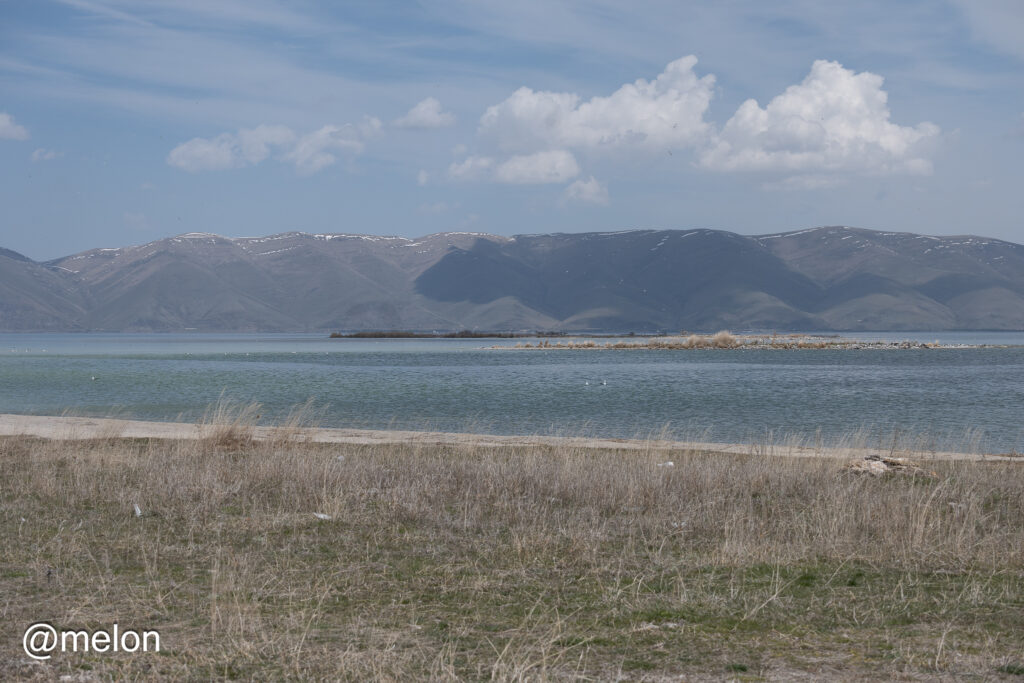
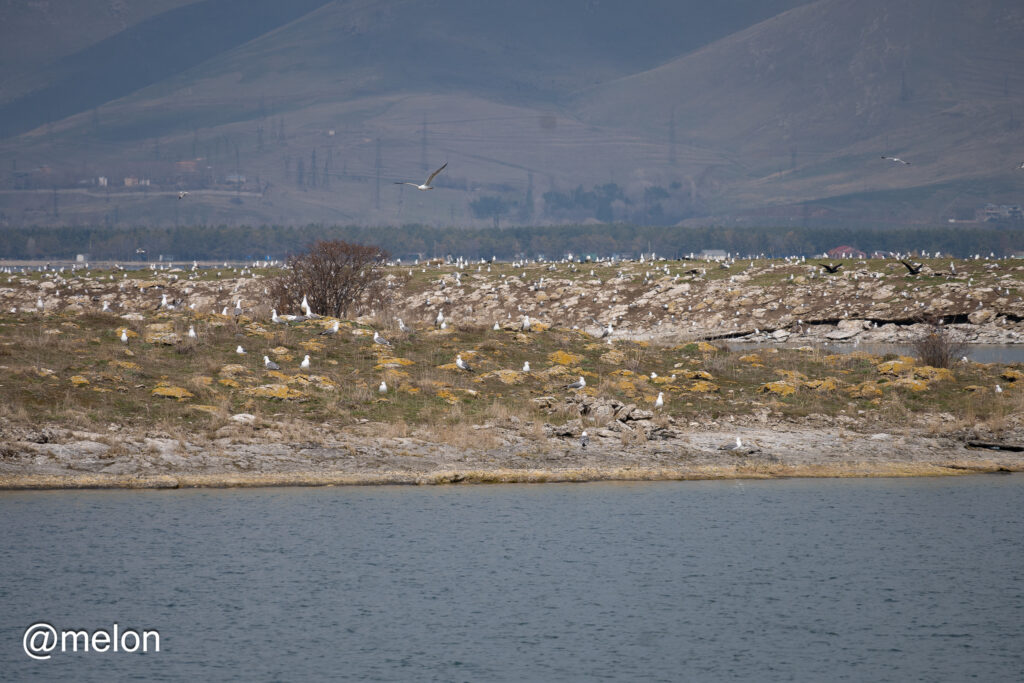
But of course, the landscape of Sevan is as beautiful as any bird there. I got many photos of the view from the reserve, where there are both hills and valleys and parts of the lake visible. Sometimes, a bird got in on the shot, but maybe that is a good thing… Also, I got a few good snaps of the little island in the middle of the lake, which is famous for the amount of gulls nesting there and flying around it. It is what my grandpa calls: “a bird bazaar.” Here is the lake Sevan, in all its glory:
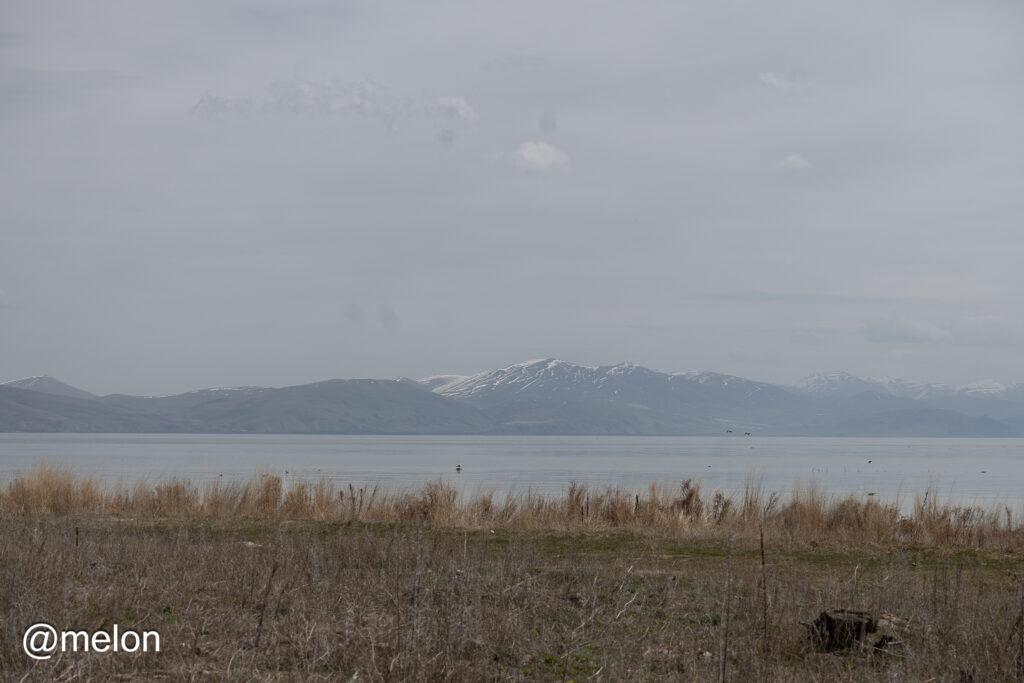
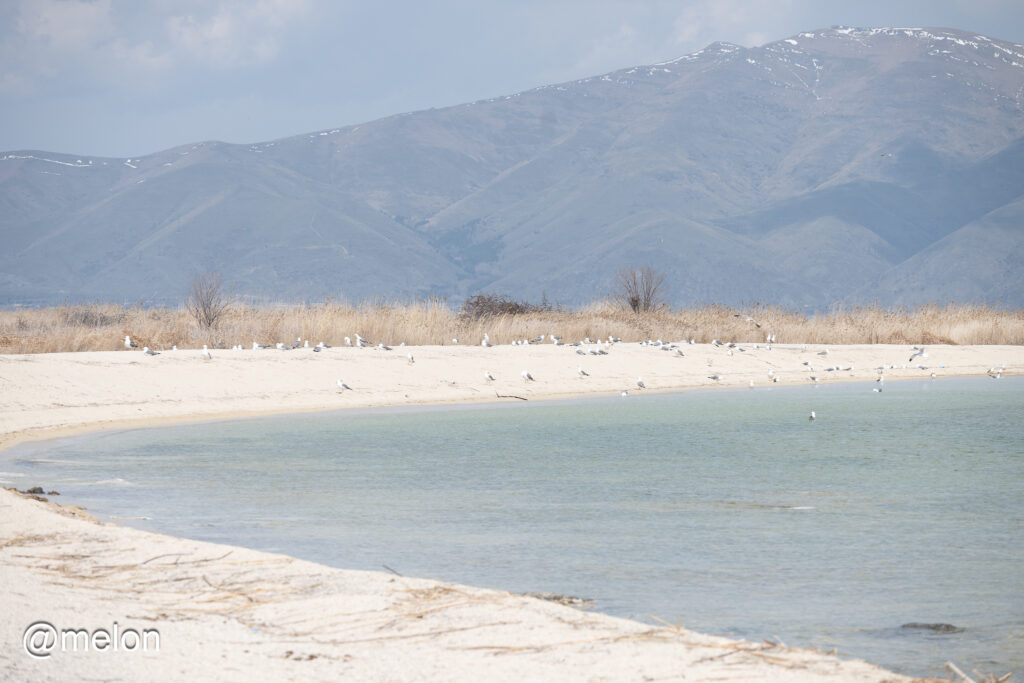
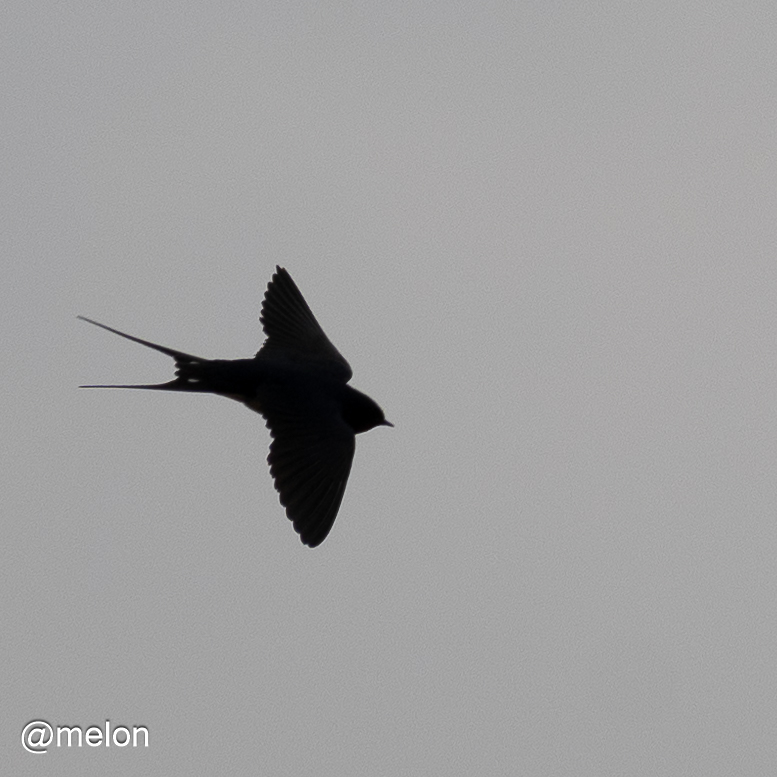
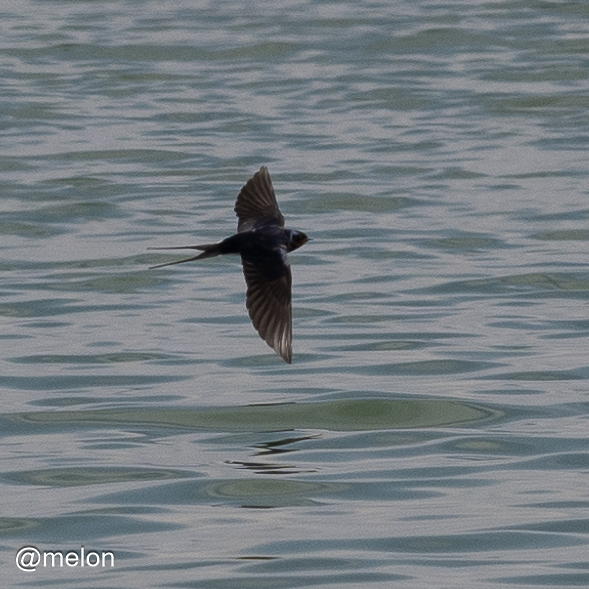
But apart from very rare, exquisite types of bird, there were also common, normal birds, such as swallows. My mistake, these were not normal swallows, these were Eastern Red-Rumped Swallows, a kind that is quite rare, despite two occurrences in Britain. In fact, in 2024, these swallows were actually added to the United Kingdom list of birds! Although it is not visible on my photos, these are red-rumped, and many of them were flying low over the ground and water. Here are two of my best photos:
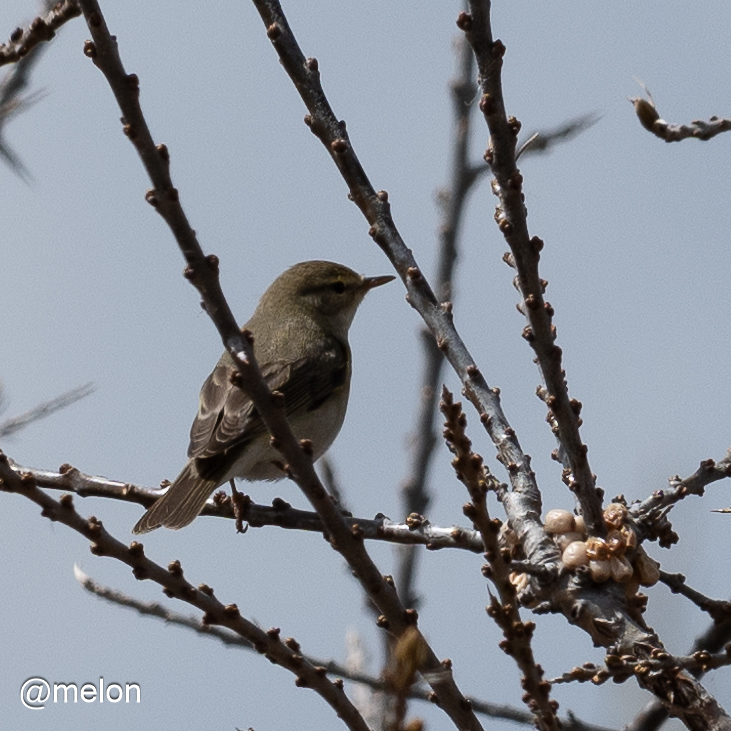
Another interesting songbird I saw was a chiffchaff, and I got some decent photos. The following one may look a little dark, but it still has all of the features needed to identify this warbler: the greenish-yellow feathers, the white band around its eye, and it sang in its distinctive call of “chiff, chaff, chiff, chaff”. Here it is- one of my personal favourite of springtime’s singers!
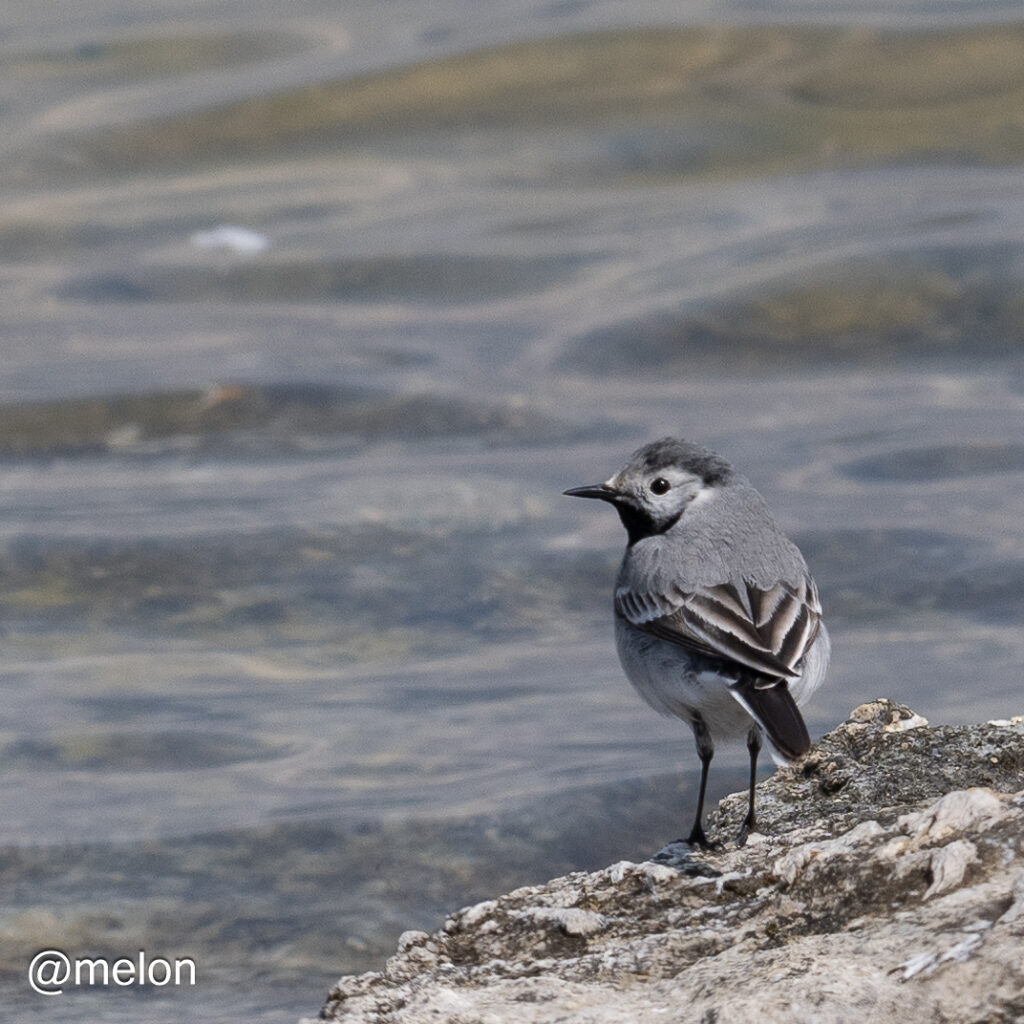
After this happy encounter, we drove our car towards the water, from where the hullaballoo of gulls was visible even better. I was mostly scanning the little chaotic island of the bird bazaar, and I did see a few birds that were definitely not yellow-billed or Armenian gulls, however a great shot was waiting for me right on the shore! I bent down to make sure this pied wagtail was at eye level before making this photo, and that was the right move; check out this fantastic snap!
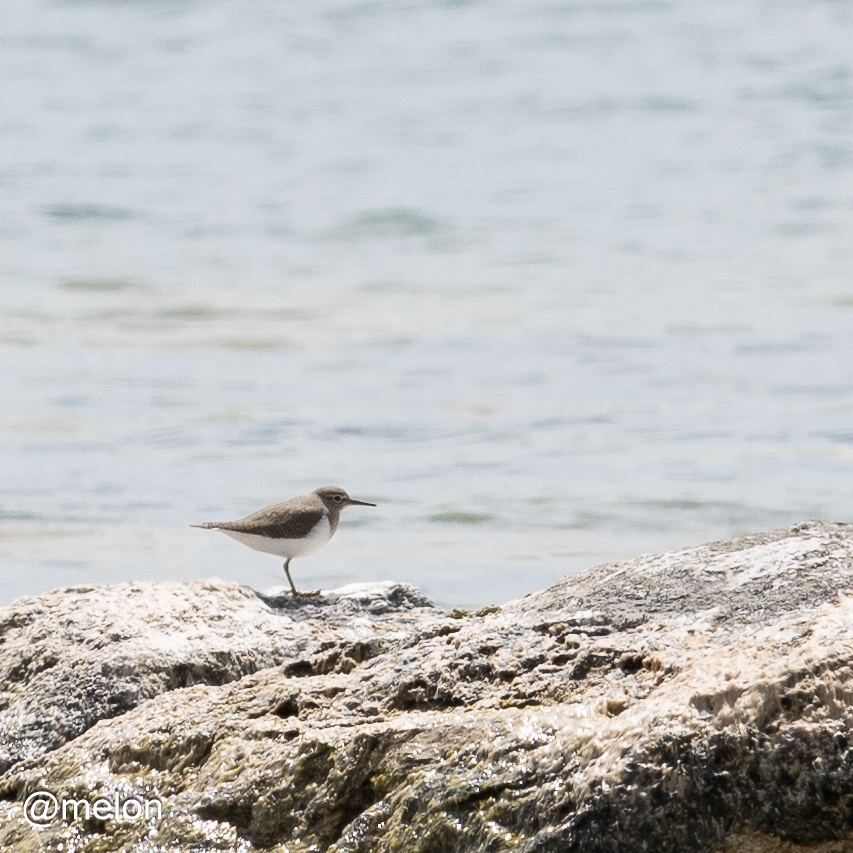
But not only this was waiting for me down by the water (which was surprisingly clear – take a look at the photograph above). As I looked out to ensure that the ducks were indeed just ducks, I spotted something moving on the rock near the shore. It was a common sandpiper, a bird which, despite its elusive name, is not seen or snapped quite as often as I would like. Here it is:
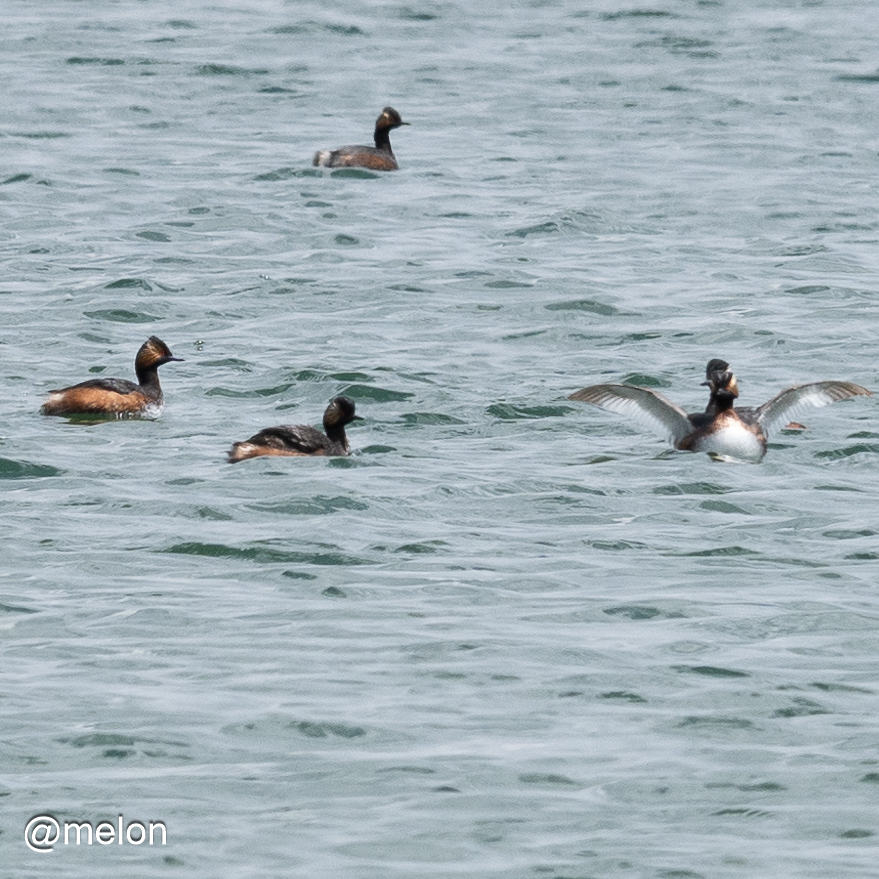
After I had come as close as I could to the bird, it ran away, behind the rocks where I couldn’t see it. So, I continued examining each of the water birds through my binoculars, until I found a group of rather hyperactive little grebes. The funny thing is, I don’t have any good photos of great crested grebes, the most common grebes in the United Kingdom, but now I have snapped little grebes (there are not many in England, and as far as I am concerned, they are in the Amber List of birds). But here are the two photos:
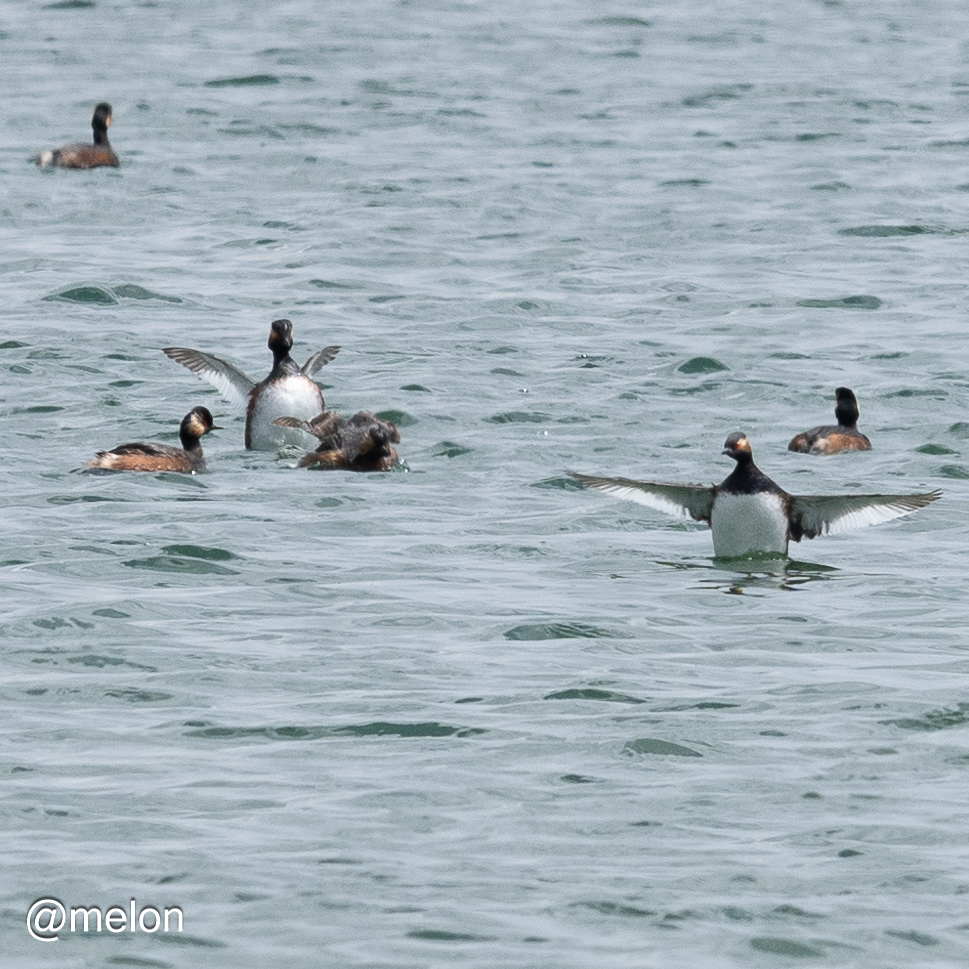
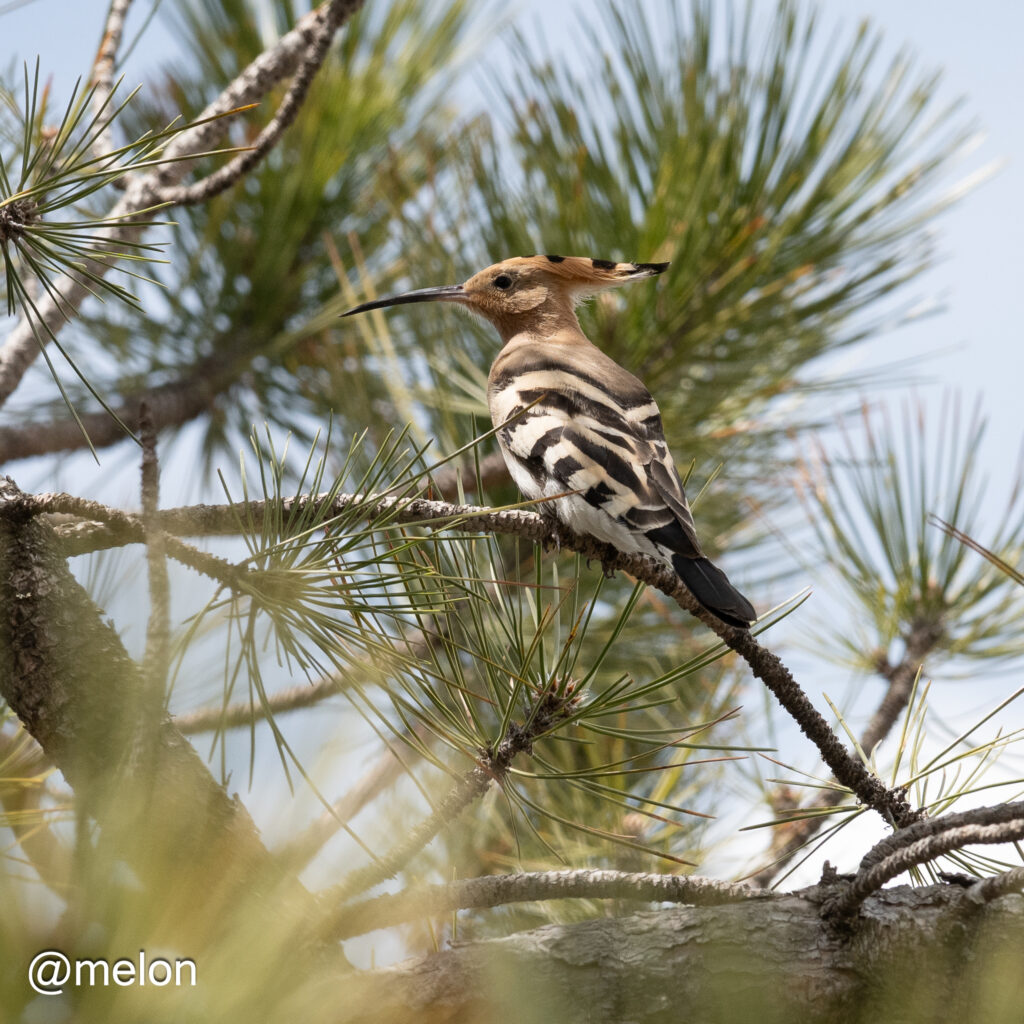
As we were about to finally finish our long trip, and were going back to the car, I saw a hoopoe in a large tree. Hoopoes are perhaps not the rarest of Armenian and European birds, but they are strikingly beautiful and are extremely rare in the United Kingdom. This one was closer and in a way better position than the hoopoe in my other photo (which had been taken the day before, also here). So it was a no-brainer to unleash the full powers of my camera, and make the best photo of the day…
And on this happy note the two-day trip to wonderful Lake Sevan ended. I hope you enjoyed reading about the walk, just as much as I enjoyed going there.
Leave a Reply