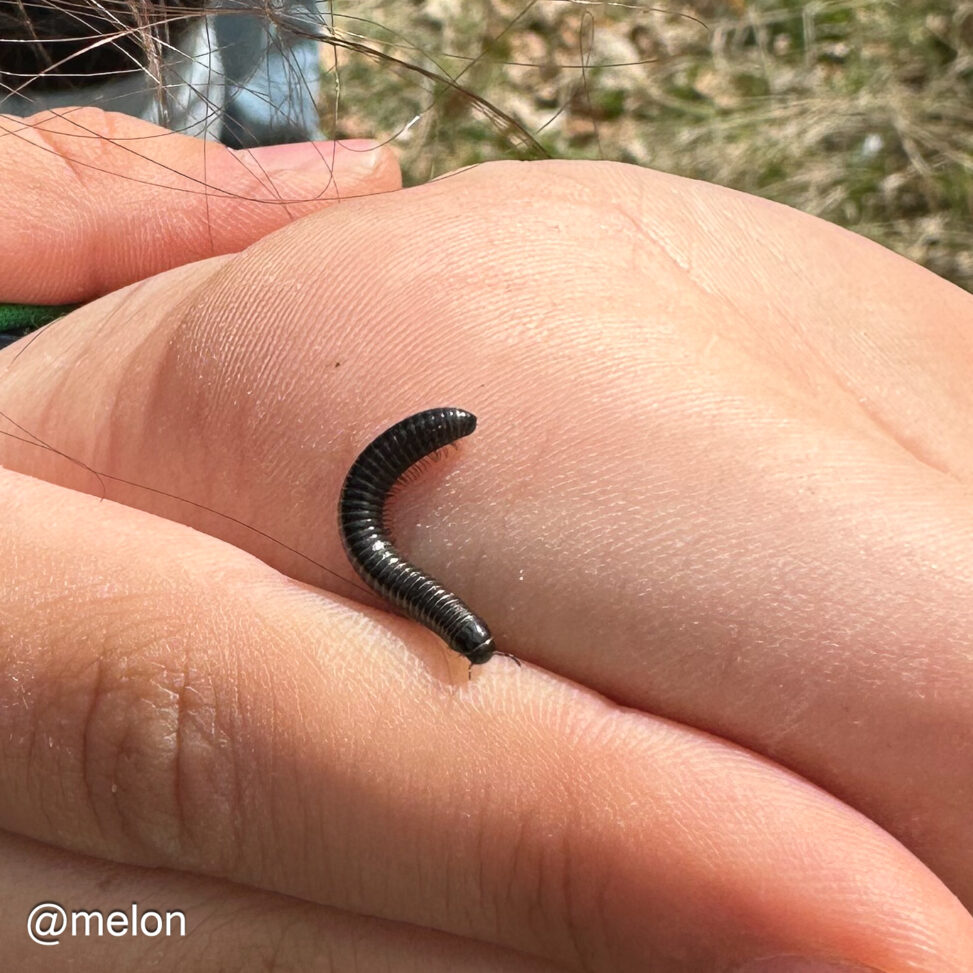
Many people think that insects are disgusting- I think differently. Just like all living things, they breathe and move (in very similar ways!) So why, it remains a mystery to me, do so many people hate them? But whether you detest or love bugs, you can read this post, and perhaps you’ll realise that maybe insects are not SO bad after all.
Since I am a macro photographer, I am sure that there will be many more posts about insects in this blog, so I won’t hurry with facts. Lots of people who know me, and know bugs do not understand what I do to catch them. So in this post, I will uncover each and every one of my insect-catching secrets. Later, you could try these and write down what you caught in the “comments” box beneath this post. Let’s get started!
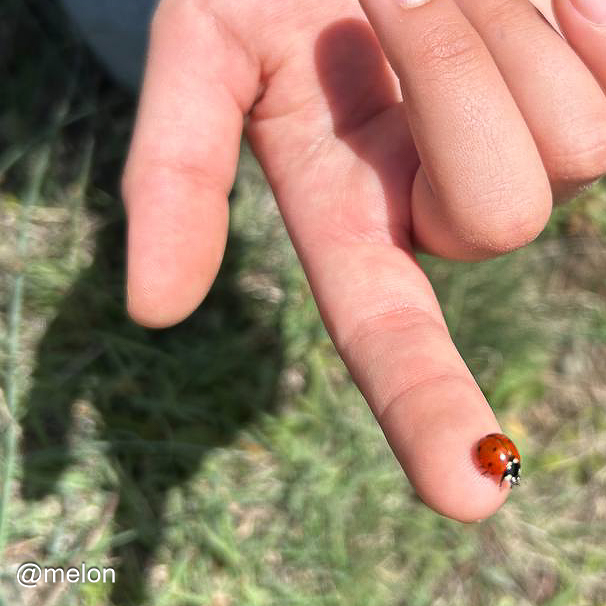
Above is a photo of me holding a ladybird on my finger. The thing I find very curious about ladybirds in particular is that they are very gullible. By this I mean that they are not scared at first to go on your hand, it’s just that as quickly they decide to get off. If they do not know how to get off, or you do not let them, they often bite. Although this is very surprising, I have been bitten millions of times and believe me, it doesn’t hurt a lot.
So to catch a ladybird (or any sort of beetle, come to that), you just hold out our hand, and wait for the subject to crawl on. Be aware that not all bugs equally like your hand, so they might bite. This is why I always check that I know which insect I am catching, and whether it bites or not.
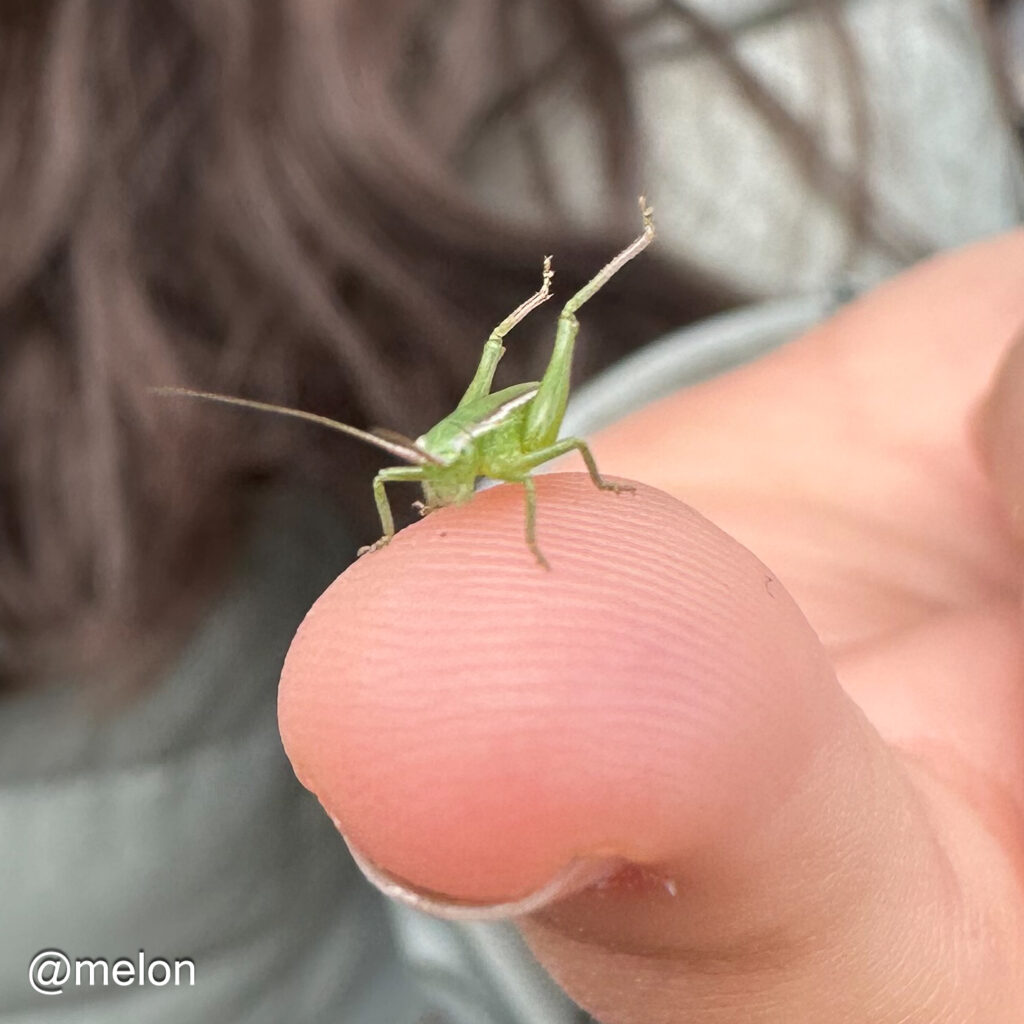
This little creature is a locust, however much you say that grasshoppers look exactly like that. Many people make this mistake, so for your information, locusts are usually smaller or larger than normal grasshoppers. Also, although in picture books grasshoppers may look green, only some actually are.
Catching locusts as small as this is quite easy, if you know what to do. People that I’ve met have, as people often do, a different way of doing this than I. The man who first taught me how to catch grasshoppers and other insects of the sort told me to catch them in a little bug box and observe through a magnifying glass. Others think that you need to slap it hard to daze it, but of course even insects can be hurt, and this method may result in a missing leg or two. What I do is try to catch them with cupped hands and reveal it slowly and carefully. This is quick, easy, and does not hurt them.
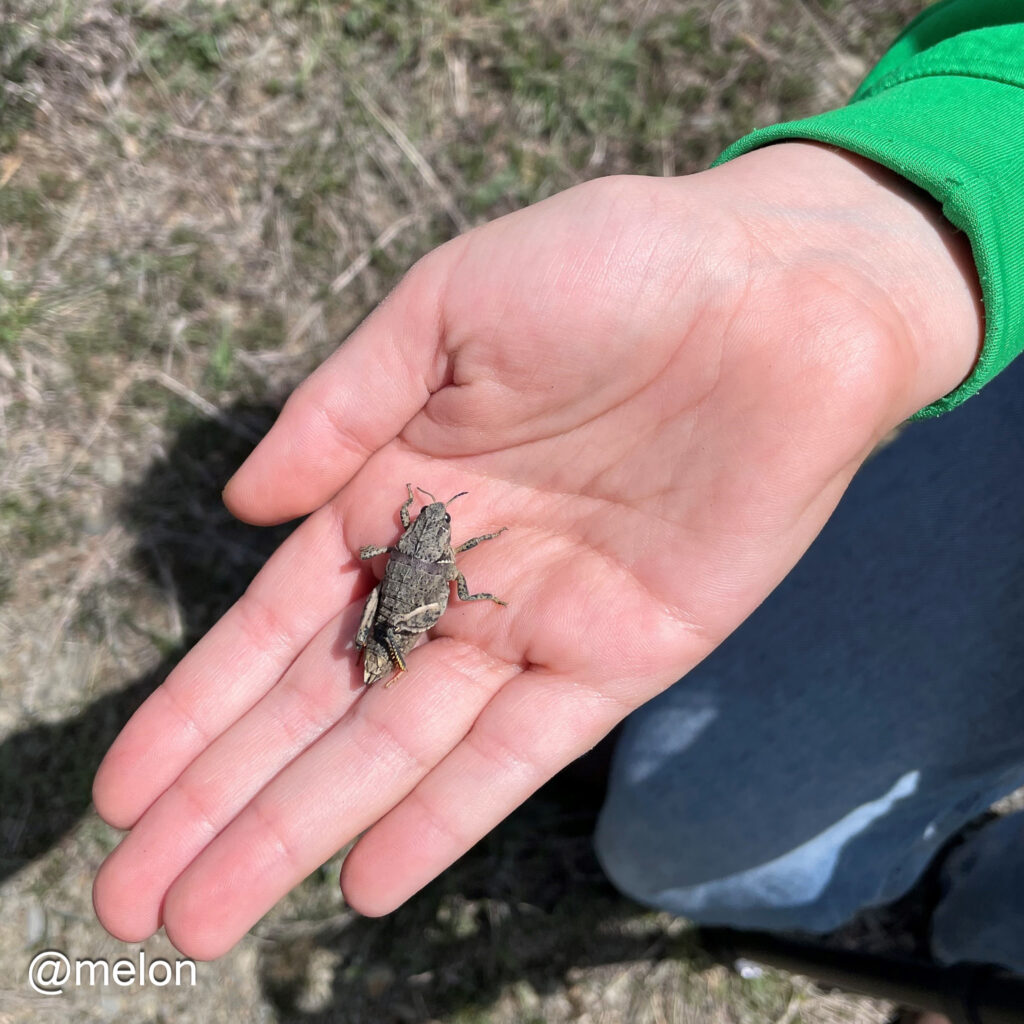
That is a great method, in my opinion, but if you find something this size, I am afraid to say you may need some specialised equipment to catch it. This is also a locust, but a LOT bigger. So, although there was barely enough room to fit in my bug box, I managed to get it in without damaging its legs. Then, I dropped it onto the palm of my hand and took this snap.
But how do I find something like that? Well, the human eye is immediately drawn to movement, so as soon as I saw what I took for a twig moving, I found that it was in fact a grasshopper-type insect. This works for any animal, actually, including birds.
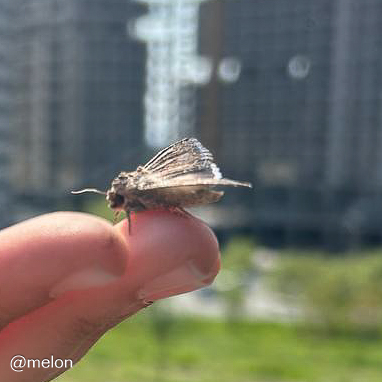
Moths, butterflies and any other flying insects are a little harder to catch, and it often takes a few tries to master this skill. How I do this, is by carefully placing my hand not far from the insect, and waiting for it to crawl on on its own. This takes lots of patience and effort, but it usually works, and helps me get many close-ups of them afterwards.
I hope you enjoyed reading this post, and that my top tips help you find and catch many insects.
Irina
Very nice photographs! Very detailed description of ways to catch insects.
Interesting to read!
Aska-Kolbasa
Wow, amazing tricks for those who loves bugs! (Un)fortunately I’m not the one, so I’m just applauding to your fearless!
Софья
Великолепный пост!!!
Аж хочется прямо сейчас поехать на поле и изучать насекомых.